Restaurant Interior is never defined by cuisine alone. Before the first dish arrives, the space already speaks. Light, texture, proportion, every element contributes to an invisible narrative that shapes how we feel, connect, and remember. The most remarkable restaurant interiors go beyond aesthetics. They create atmosphere. They tell stories. In a world where experience is everything, design becomes the silent architect of the dining journey.

See all: 10 Boutique Hotels in NYC for a Refined Urban Escape
That Define the Dining Experience With Patterson Dining Chair

Patterson Dining Chair in a Restaurant Interior have the power to transform a simple meal into a sensory experience. From the moment guests enter, design establishes tone and expectation.
First Impressions in Restaurant Interiors

The entrance sets the rhythm. A carefully designed threshold, whether dramatic or understatedinvites guests into a curated environment. Materials, lighting, and spatial composition work together to create an immediate emotional response.
The Role of Chairs in Restaurant Interiors

A Chair is one of the most powerful tools in restaurant design. It shapes perception, enhances materials, and influences mood.
Creating Atmosphere Through Light


Soft, ambient restaurant interior encourages intimacy. Focused lighting highlights tables and architectural details. Statement fixtures become sculptural elements, adding depth and character.
In refined interiors, Chair is layered. It evolves throughout the day, adapting to different moments and creating a dynamic experience that feels both natural and intentional.
Materiality and Texture in Bar Interior

Restaurant interior define the tactile and visual identity of a space. In the most compelling restaurant interiors, they are selected with precision.
The Language of Materials in Dining Spaces

Marble surfaces introduce a sense of permanence. Wood adds warmth and familiarity. Metals bring contrast and sophistication. Fabrics soften the environment, creating comfort and intimacy.
Furniture as a Statement in Bar Interior

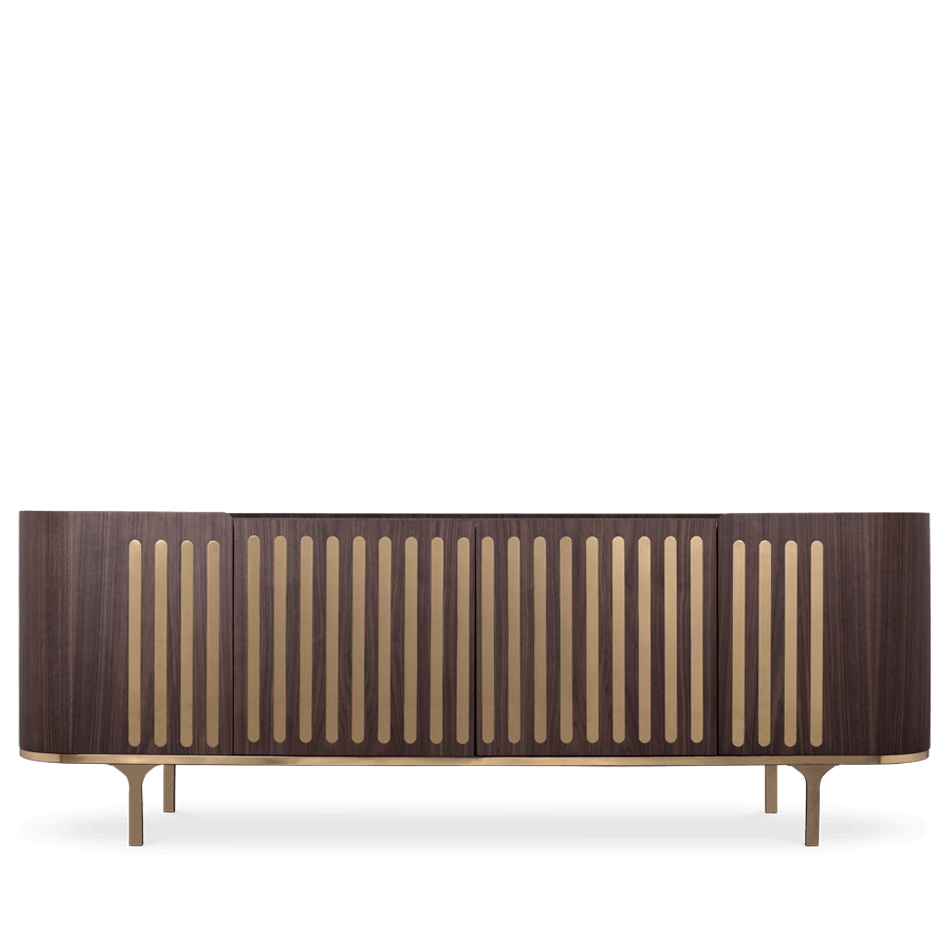
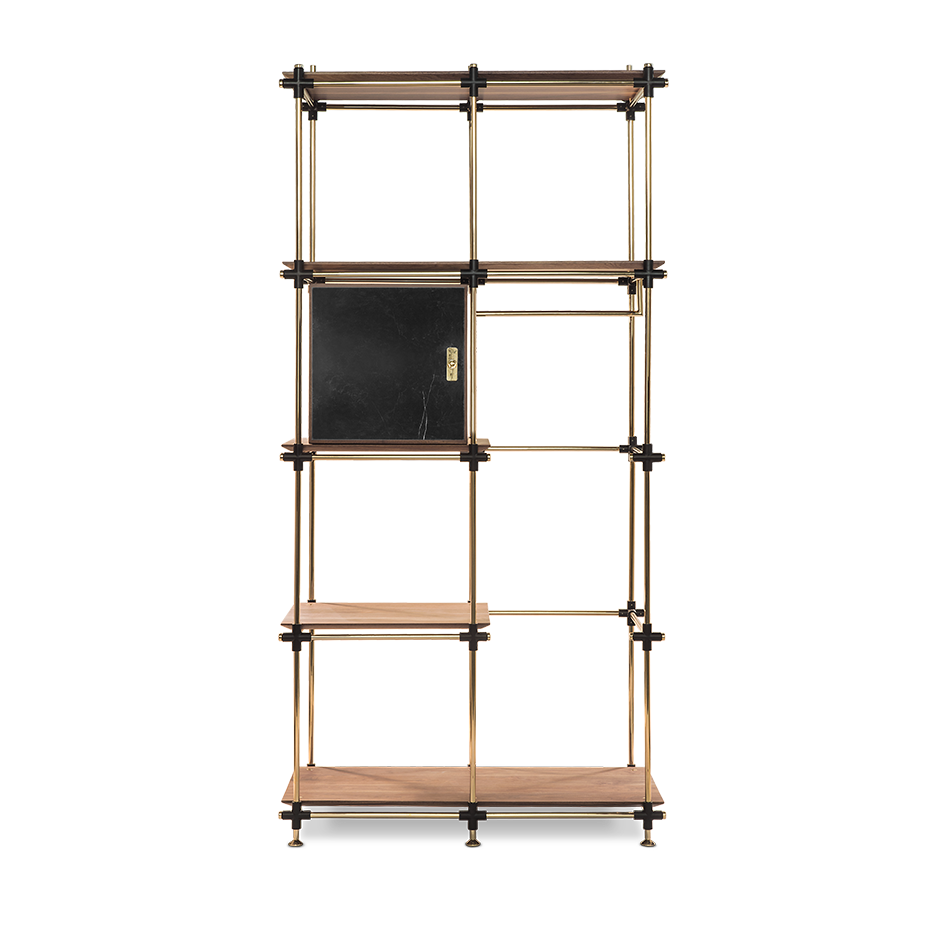
Restaurant interior furniture plays a central role in shaping the dining experience. It defines comfort, layout, and visual harmony.
Balancing Comfort and Design

Chairs, tables, and sofas must be both functional and expressive. Ergonomics ensure comfort, while form contributes to the overall aesthetic.
Mid-century inspired pieces, with their clean lines and organic curves of , are particularly effective in restaurant interiors. They offer a sense of elegance without overwhelming the space, allowing design to feel effortless.
Restaurant Interiors as Cultural and Social Spaces

restaurant interiors today are more than places to eat. They are environments where people gather, celebrate, and connect.
Designing for Experience and Connection

Open layouts encourage interaction. Intimate corners provide privacy. Bar areas become social hubs. Every zone within the space serves a purpose, contributing to a layered and dynamic environment.
See all: Salone del Mobile 2026: Where Design Meets Timeless Innovation

Restaurant interiors shape the way we experience dining in ways that go far beyond the plate. Through light, material, and form, they create atmospheres that linger long after the meal ends.